

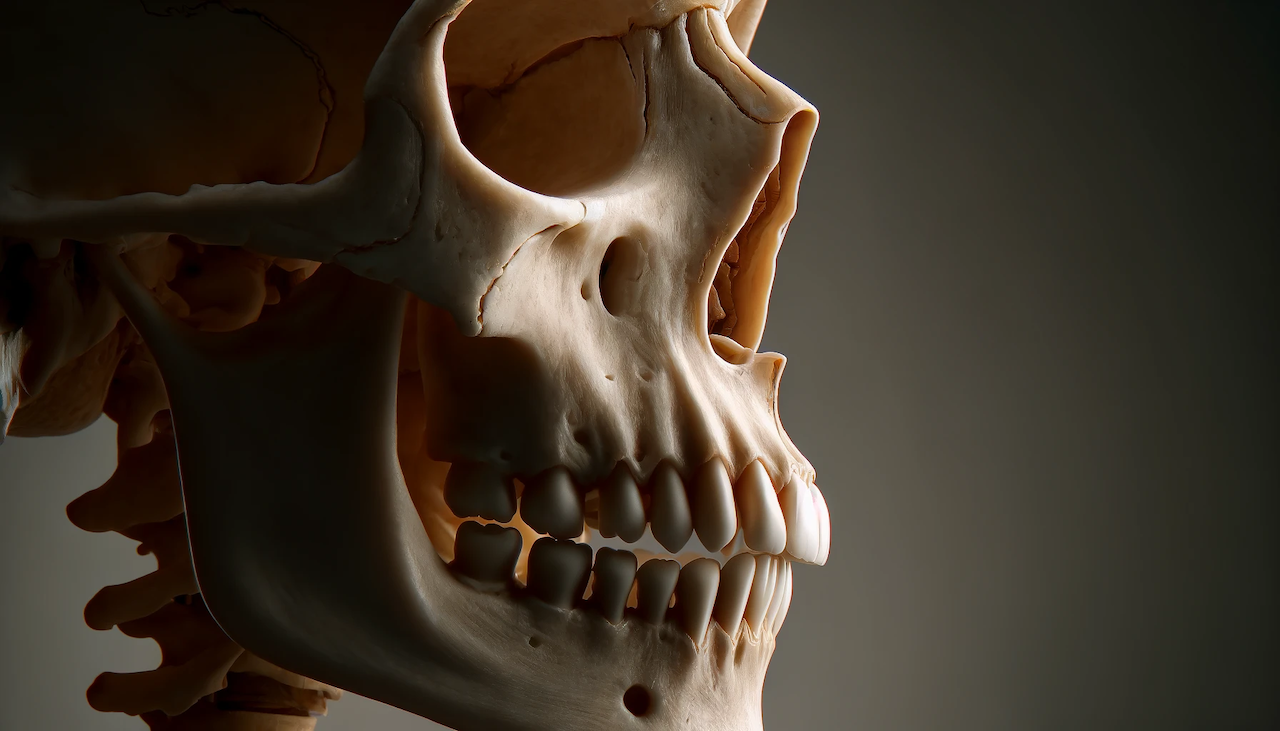
Outside of our brain, few physical characteristics of homo sapiens differ from our ancestors and fellow large apes more than our jaw. Beyond its obvious key functions of eating and breathing, the jaw is a critical component in our ability to communicate through speech. It also looks different – it is narrower than in other apes, plus humans have a chin. The jaw is also an essential part of the aesthetics of our face – it is one of the most observable parts of our bodies. Given the jaw’s evolutionary significance in defining our human identity, it may come as a surprise that the branch of medicine dedicated to its correction — orthognathic surgery – is relatively new. One senior dental academic is helping raise its profile and emphasise the key role of collaboration in its continued development.
You can read the rest of this article, complete with additional feature content, on the Research Features website here. (Opens in a new tab)